 22 Min



A patient calls with a question. A healthcare professional asks for product clarity. An agent pauses, searches multiple systems, and hopes the information is correct. In Pharmaceutical industries, these moments are risky. One wrong answer, one missed step, or one outdated response can quickly turn into a compliance issue.
This is the reality for many pharmaceutical support teams today. Information is spread across documents, tools, and inboxes. Agents rely on memory or informal guidance during live interactions. And when the pressure is high, mistakes become more likely.
This is where pharmaceutical knowledge management makes a real difference. It helps customer service teams access the right, approved information at the right moment, so they can support patients confidently, follow compliance requirements, and deliver consistent experiences without slowing down.
In this guide, we explain what pharmaceutical knowledge management is, why it matters, and how pharma teams can manage knowledge better as operations grow.
Table of contents
- What Is Pharmaceutical Knowledge Management?
- Why Is Pharmaceutical Knowledge Management Important?
- What Are the Key Elements of Pharmaceutical Knowledge Management?
- What are the Common Mistakes in Pharma Knowledge Management
- Features of a Pharmaceutical Knowledge Management System
- Top 5 Pharmaceutical Knowledge Management Systems Customer Experience Teams
- To Sum it Up
- FAQs
What Is Pharmaceutical Knowledge Management?
Pharmaceutical knowledge management is the structured process of creating, validating, storing, updating, and distributing approved information across pharmaceutical operations. It ensures that SOPs, regulatory guidelines, safety data, and complaint-handling procedures remain accurate, compliant, and accessible whenever teams need them.
The Beginner’s Guide To Knowledge Management
Why Is Pharmaceutical Knowledge Management Important?
Pharma teams work in a highly regulated environment where information must be handled correctly, every time. Knowledge management plays a key role in making that possible.
- Regulatory compliance: It helps teams follow approved processes and use the right information during audits, reviews, and daily work. Global frameworks like ICH Q10 also emphasize knowledge management as a key enabler of quality, reinforcing the need for controlled and up-to-date information across pharmaceutical operations.
- Operational efficiency: Centralized knowledge reduces duplicate work, errors, and time spent searching for answers.
- Risk reduction: Clear guidance lowers the risk of missed steps, incorrect handling, or delayed escalation.
- Better decisions across teams: When information is easy to access and trust, teams can make faster, more confident decisions. Studies show that effective knowledge management enables better decision-making across complex pharmaceutical operations, reducing confusion and effort when accessing information.
- Knowledge retention: Critical know-how stays within the organization, even when people change roles or leave.
In simple terms, pharmaceutical knowledge management turns information into something teams can actually use, helping them stay compliant, work efficiently, and move faster without increasing risk.
What Are the Key Elements of Pharmaceutical Knowledge Management?
Effective knowledge management in pharmaceuticals isn’t about adding more documents. It’s about making sure the right knowledge is easy to find, easy to trust, and easy to use. A strong setup usually includes a few essential elements.
1. Centralized knowledge repository
All critical knowledge should live in one trusted place. When information is spread across folders, emails, and tools, teams waste time searching and risk using outdated instructions.
A digital knowledge management (DKM) platform ensures that this repository remains searchable, version-controlled, and accessible across teams and locations.
2. Controlled access and versioning
Teams must always work from the latest approved version. Version control ensures no one accidentally follows an old SOP or policy, especially during audits or process changes.
3. Process-linked knowledge
Knowledge works best when it supports real work. Instead of long documents that sit separately, teams need guidance that fits naturally into their day-to-day processes and live interactions.
4. Audit trails and compliance tracking
Every update, change, or approval should be easy to track. This makes it simpler to understand who updated what and when and helps teams stay confident during reviews or audits.
5. Training and knowledge reinforcement
Knowledge shouldn’t stop documentation. It should support onboarding, refresher training, and role-based learning, so teams stay aligned as processes and information change.
What are the Common Mistakes in Pharma Knowledge Management
Many pharma organizations struggle not just because of knowledge gaps, but because of how processes, systems, and people work together. Knowledge is part of the problem — but when it’s poorly managed, it often makes other issues worse.
1. SOPs locked in long PDFs
When standard operating procedures are hard to read or use during work, teams fall back on habit or memory, especially under pressure.
Medical SOP Template for Patient Care
2. Too many systems, no clear source of truth
Teams juggle multiple tools for documents, training, and quality records, which creates confusion about which information is correct.
3. Lack of Version Control Visibility
Without clear version tracking, teams may unknowingly use outdated instructions. This increases the risk of non-compliance and inconsistent execution during regulated processes.
4. Dependence on people instead of processes
When work relies on a few experienced individuals, progress slows if they’re unavailable, and mistakes increase when new staff step in.
5. Limited visibility during audits and inspections
It becomes hard to show not just what is documented, but how teams actually follow and apply that information.
These issues usually surface together; during audits, deviations, or manufacturing delays — when there’s little room to react.
Simple solution:
Align knowledge, processes, and tools in one place so teams can work consistently, adapt faster to change, and stay audit-ready without stress.
clear pharma relevance. It’s more elaborate than before, but still readable and practical.
Features of a Pharmaceutical Knowledge Management System
Below are the key features of a knowledge management system for the pharmaceutical industry.
1. Centralized and Reliable Knowledge Base
Pharma CX teams deal with a huge amount of information. This includes SOPs, validation reports, development data, meeting notes, and quality records. It also includes approved responses, safety guidelines, and complaint-handling information used by customer service teams.
When this information is scattered, teams struggle to find what they need. They often end up using outdated or incomplete knowledge.
A strong knowledge base brings everything together in one trusted place. It can handle content coming from different teams, departments, and even external partners. As projects change ownership or move across sites, the knowledge stays organized and accessible instead of getting lost.
2. Fast and Accurate Full-Text Search
In pharma operations, time matters. Teams can’t afford to scroll through folders or read long documents just to find one answer.
A strong search feature allows agents to quickly search across articles, documents, categories, and fields. Results are ranked by relevance, making it easier to find the right information first. Highlighted keywords help users spot what they’re looking for without opening multiple files.
3. Workflow and Approval Management
Pharma knowledge often goes through multiple stages—drafting, review, approval, and release. A knowledge management system should support these workflows clearly.
Built-in workflows help ensure the right people review and approve content at the right time. This reduces delays, avoids missed approvals, and keeps knowledge aligned with compliance expectations.
4. Omnichannel Knowledge Access and Refinement
Knowledge improves when it is used consistently across channels. Omnichannel knowledge access ensures that the same approved information is available across calls, emails, chats, and other support touchpoints.
This helps teams deliver consistent responses no matter where the interaction happens. Over time, knowledge becomes clearer, more accurate, and more useful because it is applied and validated through patient interactions.
5. Automatic Notifications and Alerts
In pharma, missing an update can create risk. Automatic notifications help keep teams informed when documents are updated, tasks are pending, or reviews are required.
These alerts ensure that changes don’t go unnoticed and that responsibilities are clear. They also reduce the need for manual follow-ups and email reminders.
6. Role-Based Access and Visibility
Not every user needs access to every document. A pharma knowledge management system should support role-based access, so users see information relevant to their role.
Manufacturing teams, quality teams, and compliance teams can access what they need without being overwhelmed by unrelated content. This keeps knowledge focused and easier to use.
7. Multi-Language and Scalable Support
Pharma organizations often operate across regions. A good system supports multiple languages and scales as teams, products, and locations grow. This ensures knowledge stays accessible and consistent, no matter where teams are located.
8. Intelligent Guidance and Automation (Agentic AI Support)
Pharma customer service teams often handle complex queries where the next step depends on the situation. Intelligent guidance helps agents move step by step, instead of figuring things out on their own.
With automation and agentic AI, the system can suggest the right response, next action, or escalation path based on the context of the query. This reduces manual effort, improves consistency, and helps agents handle medical queries, complaints, and safety-related conversations with more confidence.
Over time, this kind of intelligent support helps teams work faster, make fewer mistakes, and rely less on memory during live interactions.
Practical Value for Pharma Support Teams
Together, these features help pharma organizations:
- Reduce dependency on shared drives and emails
- Improve consistency across sites and teams
- Stay audit-ready without last-minute scrambling
- Make knowledge easier to use during real work
Most importantly, they turn knowledge into a practical support system, not just storage space.
How to choose a Knowledge Management System in 2026?
Top 5 Pharmaceutical Knowledge Management Systems Customer Experience Teams
Here are the top 5 knowledge management systems in the pharmaceutical industry:
1. Knowmax

Knowmax is an AI-powered knowledge management platform that helps pharmaceutical support teams find the right information at the right time. It supports regulated environments and follows strong data protection standards, including HIPAA compliance.
Instead of searching through long documents or shared drives, teams get clear guidance through workflows, decision trees, and smart suggestions. This helps teams work more consistently and avoid mistakes during daily operations.
Key features:
- Turns pharma SOPs—such as medical information handling, adverse event intake, product complaints, recalls, and order support—into clear, step-by-step guidance
- Uses decision trees to guide agents through escalations, exceptions, and safety-related situations
- Acts as a single source of truth for approved responses and reference information
- Provides an AI-powered search to surface the most relevant answers quickly
- Uses agentic AI guidance to suggest next steps during live interactions
- Supports role-based access and version control so teams always use the latest approved information
Knowmax helps pharma teams move from searching for information to using the right information with confidence.
See Knowmax in Action
2. Document360
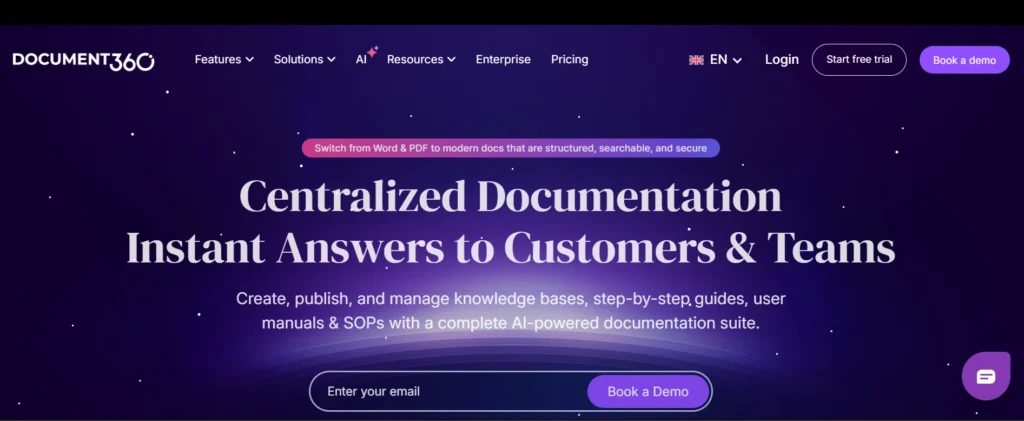
Document360 is a dedicated knowledge base platform that lets teams build and manage internal documentation and SOP content in an organized, searchable format.
Key Features:
- Hierarchical structure for organized knowledge
- Advanced full-text search across documents and articles
- Versioning and revision history for controlled updates
- Markdown and visual editors for easy content creation
3. Zendesk Guide
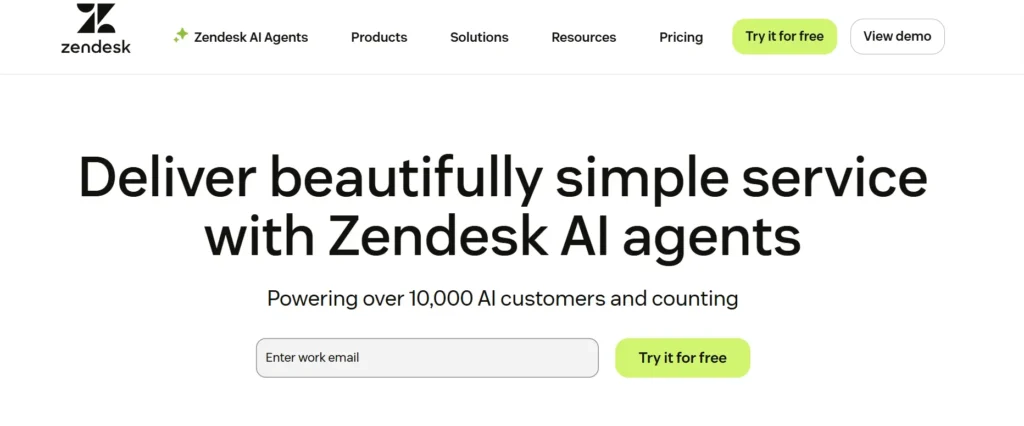
Zendesk Guide is a knowledge base solution designed to create, manage, and publish help content for support environments. It enables teams to organize information in a structured and searchable format.
Key Features:
- Centralized knowledge base for internal and external content
- Article publishing and version control
- Searchable help articles for agents and self-service
- Integration with support ticket workflows
4. Confluence (Atlassian)
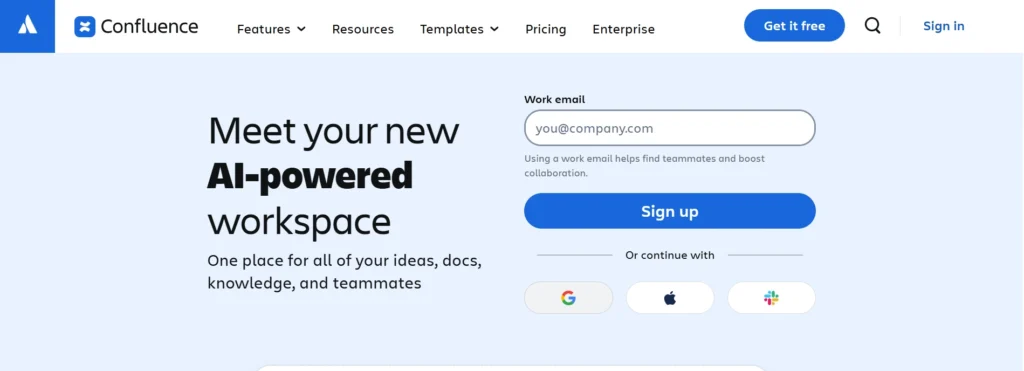
Confluence is a collaborative workspace where teams can create, organize, and share documentation and procedural knowledge in a wiki-style format.
Key Features:
- Real-time collaborative editing
- Page templates and hierarchical organization
- Integration with other tools like Jira
- Permissions and access control for secured content
5. Guru
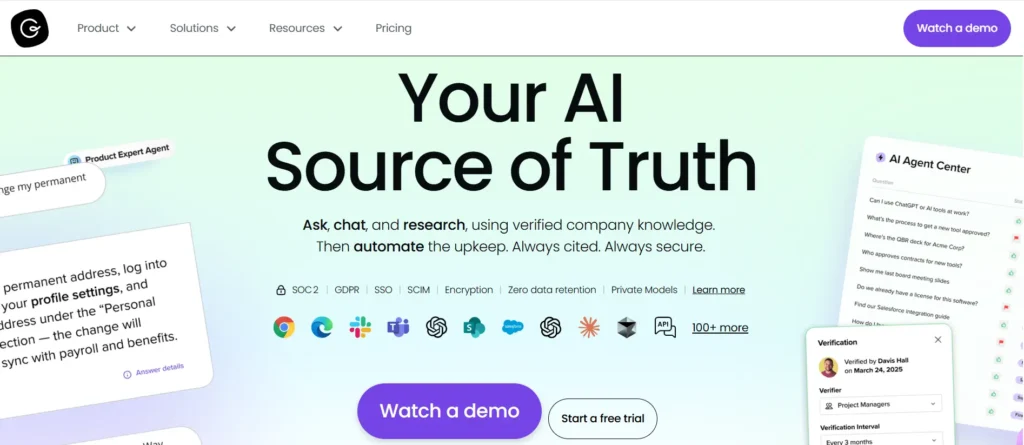
Guru is a knowledge management platform focused on making verified, up-to-date information available where and when teams need it — often directly in the tools they already use.
Key Features:
- Contextual answers delivered inside workflows
- Verification workflows to ensure accuracy
- Integration with collaboration tools like Slack or Teams
- Browser extension for quick access everywhere
The Ultimate Guide To Implementing a KM Platform
To Sum it Up
Pharmaceutical knowledge management is about helping teams use the right information at the right time. When knowledge is easy to access and apply, teams work with more confidence and fewer errors.
Knowledge management tools help turn information into guided actions, so teams don’t have to search, guess, or rely on memory. This makes knowledge practical, usable, and ready for everyday work as a pharma operation.
FAQs
GMP knowledge includes approved procedures, guidelines, and practices required to ensure product quality and regulatory compliance.
While not always explicitly mandated, regulators expect controlled, accessible, and up-to-date knowledge across pharma operations.
It reduces errors, supports consistent execution, improves audit readiness, and helps teams respond faster to issues.


 Word Document)
 Excel File)


