 32 Min



Updated October 2026
The factors affecting customer satisfaction are the product itself, timing, price, the quality of support, clear communication, ease of use, personalization, reputation, consistency and how quickly and well problems are fixed. This guide lists 20 of them for 2026, explains the five levels of satisfaction, and shows 10 ways to measure the result.
Bain and Company’s estimate, quoted by Zippia, is that increasing customer retention by just 5% can raise profits by 25% to 95%. That shows what keeping customers happy is worth.
On the other side of the ledger, a 2021 Qualtrics study found that businesses globally stood to lose $4.7 trillion in consumer spending because of poor customer experiences.
As we step into 2026, customer expectations keep rising: smarter technology, personalized experiences and smooth interactions at every touchpoint. Meeting expectations is no longer enough, and the factors below show where the gap opens.
So, how do you turn happy customers into loyal brand champions?
In this blog, we’ll explore the top 20 factors affecting customer satisfaction this year and practical strategies to keep your business ahead of the curve.
Table of contents
- What Is Customer Satisfaction?
- Why Is Customer Satisfaction Important?
- Which factors matter most, and how can you tell?
- What Are the Fundamental Levels of Customer Satisfaction?
- Top 20 Factors Affecting Customer Satisfaction in 2026
- Which factors inside the service team drive satisfaction?
- How do you diagnose which factor is hurting satisfaction?
- 10 Ways to Measure Customer Satisfaction
- Boost Your Customer Satisfaction with Knowmax
- Frequently asked questions about factors affecting customer satisfaction
What Is Customer Satisfaction?
Customer satisfaction is the measure of how well your brand meets or exceeds customer expectations. It reflects their overall experience, from product quality to service interactions. But it’s more than just meeting needs. It’s about delivering personalized, smooth experiences that leave customers feeling valued.
Learn How This FinTech Unicorn Increased its CSAT By 28%
Why Is Customer Satisfaction Important?
1. Satisfied customers drive loyalty and retention
Happy customers don’t go looking for other options. When they feel valued and taken care of, they stick around. That means less churn, more repeat business, and a steady stream of revenue without the constant hustle to replace lost customers.
2 Happy customers fuel positive word-of-mouth
72% of customers will tell six or more people about a satisfying experience, according to Esteban Kolsky as cited by Help Scout. This organic advocacy helps attract new customers and strengthens your brand reputation.
3 Customer satisfaction impacts revenue directly
A 2006 Journal of Marketing study, as summarized by Tymely, found that each 1% improvement in a company’s ACSI customer satisfaction score was associated with a 4.6% increase in its overall stock market value. High satisfaction levels lead to repeat purchases, larger order sizes and long-term growth.
See Jupiter’s Journey of Achieving Outstanding CSAT
Which factors matter most, and how can you tell?
No single factor wins in every business, and ranking lists of twenty hide that. The Kano model, a long-standing way of sorting product and service features, gives a more useful split into three kinds of factor.
| Kind of factor | What happens when it is present | What happens when it is missing | Examples from the list above |
|---|---|---|---|
| Must-have | Nothing special; customers take it for granted | Strong dissatisfaction | A working product, availability, fair price, basic support |
| Performance | Satisfaction rises steadily as it improves | Satisfaction falls steadily | Response time, resolution quality, ease of use, consistency |
| Delighter | Disproportionate delight, because it was not expected | Nobody notices | Remembering preferences, proactive updates, a thoughtful gesture |
Fix must-haves first, because no amount of delight recovers a broken basic. Then improve the performance factors your customers mention most, and add delighters only once the first two are stable. This is the same ladder as the five levels of satisfaction, seen from the side of what to work on.
What Are the Fundamental Levels of Customer Satisfaction?
The table summarizes the five levels, using the examples given below.
| Level | What the customer experiences | Example |
|---|---|---|
| 1. Basic needs | The bare minimum; missing it causes dissatisfaction | A clean hotel room, orders that are not canceled |
| 2. Expected satisfaction | What was promised is delivered | A food delivery arriving within the estimated time |
| 3. Desired satisfaction | The business adds something extra | A free room upgrade, complimentary snacks |
| 4. Delighted satisfaction | Something unexpectedly positive | A coffee shop remembering a name and favorite order |
| 5. Customer advocacy | The customer actively promotes the brand | Loyal customers recommending products to friends |
1. Basic Needs
At this level, customers expect the bare minimum. If these expectations are not met, dissatisfaction occurs. Factors affecting customer satisfaction here include non-negotiable elements like product functionality, availability, pricing fairness, and basic customer service.
For example, if a hotel room is dirty or an online store keeps canceling orders, customers will feel disappointed, even if the business meets all other expectations.
2. Expected Satisfaction
Customers reach this level when a business delivers what was promised. The product works as expected, the service is timely, and there are no major frustrations. Factors affecting customer satisfaction at this stage involve consistency, reliability, and meeting service-level expectations.
For example, a food delivery app delivering meals within the estimated time frame meets expectations but doesn’t necessarily impress the customer.
3. Desired Satisfaction
At this level, businesses go beyond the basics and deliver something extra. This could be exceptional service, thoughtful personalization, or small but meaningful gestures that delight customers. Customer satisfaction factors here include proactive engagement, personalized experiences, and added value.
For example, a hotel upgrading a guest’s room for free or an airline offering complimentary snacks creates a memorable experience that exceeds expectations.
4. Delighted Satisfaction
This happens when customers experience something unexpectedly positive. They didn’t anticipate this level of service, and it creates an emotional connection with the brand. Factors that influence customer satisfaction at this stage revolve around surprise elements, emotional engagement, and exceptional care.
For example, a car dealership offering free maintenance for a year or a coffee shop remembering a customer’s name and favorite order creates a feeling of appreciation and joy.
5. Customer Advocacy
The highest level of satisfaction is when customers become enthusiastic brand advocates. They not only return but also actively promote the business through word-of-mouth and online reviews.
For example, Apple’s loyal customer base eagerly promotes new product launches, or a loyal Starbucks customer who always recommends their favorite drinks to friends.
Boost Your CSAT with a Robust KMS
Top 20 Factors Affecting Customer Satisfaction in 2026
Here is the list of the top 20 factors that affect customer satisfaction:
1. Does Your Product Meet Expectations?
At the heart of customer satisfaction is the product or service itself. If it solves the problem effectively and consistently, satisfaction naturally follows. Think of your favorite app that works reliably every time. Customers love reliability, which is one of the key factors affecting customer satisfaction.
2 Timing Is Everything
Imagine ordering a birthday cake, and it arrives a day late. No matter how delicious it is, the moment is ruined.
Timely delivery of products or services matters immensely. Whether it’s a 24-hour customer service response time or delivering online orders within two days, meeting or beating timelines boosts customer satisfaction.
3 Is the Price Right?
Customers want to feel like they’re getting their money’s worth. If the price matches the quality and benefits, they’ll leave satisfied.
For instance, a budget airline offering comfortable seats and reliable schedules can feel like a great deal, even without luxury perks. It’s all about balancing cost with value.
4 Friendly Faces, Helpful Hands
Customer support can make or break the experience. A rude or clueless support representative can frustrate a customer, while a helpful one can turn around a bad day.
Boost CSAT by Empowering Agents with AI Knowledge Base
5. Talk to Customers Clearly
Communication builds trust. Customers appreciate clear instructions, timely updates, and honest answers.
Think about a clothing brand that sends updates on your order status. They keep you in the loop and manage expectations positively.
6. How Easy Is It to Use Your Product?
A confusing website, clunky software, or overly complex processes frustrate customers. User-friendly experiences, like Shopify’s straightforward e-commerce setup, keep customers satisfied by eliminating unnecessary roadblocks.
7. Personalization Goes a Long Way
Customers love feeling special. Tailoring services to their preferences, like Amazon’s personalized shopping recommendations, makes them feel seen and valued, increasing satisfaction and loyalty.
8. Your Reputation Precedes You
Customers often judge a brand by what they’ve heard before interacting with it. A company known for quality and ethics sets high expectations.
For instance, Apple’s reputation for innovation draws customers even before they’ve experienced the product firsthand.
9. Keep It Consistent
Customers value predictability. If they receive great service once, they expect the same or even better every time. Think of your favorite coffee shop that makes your latte perfectly every morning.
10. Fix It Fast, Fix It Well
Nobody’s perfect, but how you handle mistakes defines you. A hotel that upgrades a room after a booking mishap leaves customers impressed. Quick and genuine resolutions can turn frustrated customers into lifelong advocates.
11. A Smile Goes a Long Way
How your employees interact with customers is a reflection of your brand. Polite, professional, and empathetic behavior makes a big impact. For example, flight attendants who go out of their way to help nervous flyers create memorable experiences.
Train Your Agents in Empathy
12. Be There When They Need You
Availability of products, services, or even support makes life easier for customers. Imagine a grocery delivery service that consistently has everything you need in stock. It’s a small thing that builds trust over time.
13. Check in Without Being Pushy
Following up post-purchase shows customers you care. A simple email asking how they’re enjoying a new product or if they need assistance feels thoughtful.
14. Emotionally Connect with Customers
Brands that connect emotionally with their audience often win hearts. For instance, a company supporting social causes like sustainability or local communities resonates deeply with value-driven customers.
15. Make Their Life Easier
Convenience can be a game-changer. Whether it’s one-click ordering or same-day delivery, hassle-free experiences boost satisfaction. Amazon’s “Buy Now” button is a classic example of making shopping effortless.
16. Stand by Your Word
Reliability builds trust. When you promise something, make sure you deliver. For example, a subscription box service that always ships on the promised date keeps customers coming back.
17. Surprise Them with Innovation
Fresh ideas keep customers excited. Introducing new features or unique products shows you’re evolving. Think of Tesla constantly updating its cars with over-the-air software improvements. It’s their wow factor.
18. What Do Others Think About You?
Social proof matters. Positive reviews, testimonials, or recommendations from friends reinforce trust. For instance, a restaurant with 5-star Google Reviews draws new customers without much effort.
19. Make It Accessible for Everyone
Ensure your products or services are easy to access for all customers. Whether it’s providing wheelchair ramps at a store or offering multilingual customer support, small changes make a big difference.
20. Reward Loyalty & Appreciate Customers
People love feeling valued. A simple thank-you, a discount for returning customers, or a personalized offer can make all the difference. Think about your favorite coffee shop giving you a free drink after every ten purchases. It’s a small gesture that makes customers feel appreciated and keeps them coming back.
Which factors inside the service team drive satisfaction?
Most of the 20 factors are visible to customers. Several depend on how the service team works behind the scenes. The table links each one to something you can measure and the first thing to check.
| Customer-facing factor | What drives it inside the team | What to measure | First thing to check |
|---|---|---|---|
| Fix it fast, fix it well | Accurate answers on the first contact | First contact resolution, repeat contacts | Are agents finding the right article quickly? |
| Timing is everything | Staffing, routing and waiting time | Time to first response, abandonment | Does routing send the contact to the right person first time? |
| Keep it consistent | One source of answers across channels and shifts | Quality scores by agent and by channel | Do the phone, chat and help center say the same thing? |
| Talk to customers clearly | Plain-language content and trained writing | Customer feedback comments on clarity | Are articles written for customers or for policy? |
| Stand by your word | Promised callbacks and follow-ups are tracked | Promises kept on time | Does every promise have an owner and a date? |
| How easy is it to use | Findability of help and self-service | Self-service success, customer effort score | What do customers search for and not find? |
How do you diagnose which factor is hurting satisfaction?
When satisfaction drops, the number alone does not say why. Pair it with a second measure to narrow the cause. The table shows common combinations and what they usually point to. Treat these as starting hypotheses, then read real contacts to confirm.
| What the data shows | Likely factor | What to check first |
|---|---|---|
| CSAT falls after support contacts and repeat contacts rise | Resolution quality or answer accuracy | Recent policy or product changes that articles and agents have not caught up with |
| CSAT is stable but churn rises | Price, value or competition | Reasons given at cancellation, and recent price or plan changes |
| Customer effort score is low on self-service but high on phone | Findability or ease of use | Search terms with no results and articles customers abandon |
| CSAT differs sharply between channels | Consistency | Whether the channels draw on the same content and the same policies |
| Satisfaction is high but review scores fall | Reputation or expectation gap | What reviews mention, and what marketing and sales promise |
10 Ways to Measure Customer Satisfaction
Measuring customer satisfaction involves gathering insights on how customers perceive your product, service, and overall experience.
Here are the most effective ways to measure customer satisfaction:
1. Customer Satisfaction Score (CSAT)
This is one of the simplest and most direct ways to measure customer satisfaction. Customers are asked to rate their satisfaction with a product or service on a scale (typically 1-5 or 1-10).
Example:
“How satisfied were you with your recent purchase?”
☹️ 1 / 2 / 3 / 4 / 5 😊
The CSAT score is calculated as:
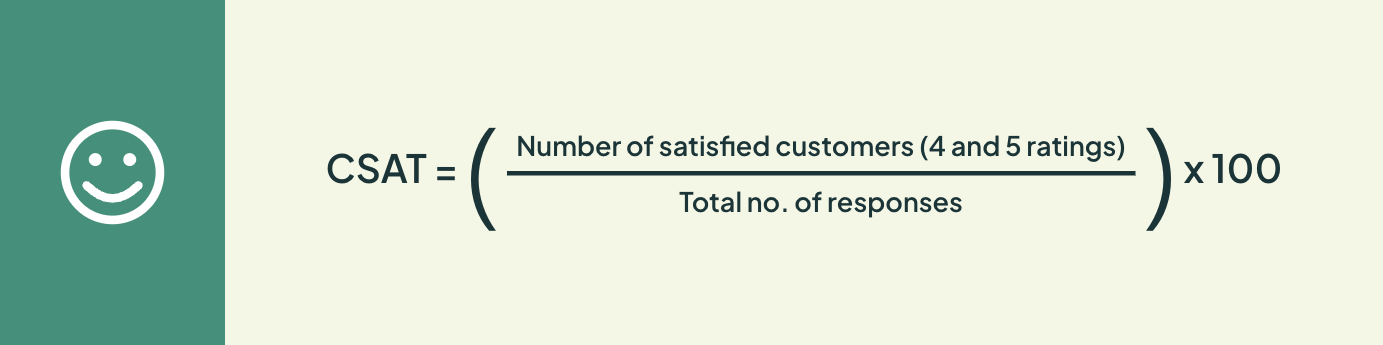
A higher CSAT score means higher customer satisfaction. For a deeper look at the metric, read about customer satisfaction as a whole.
2. Net Promoter Score (NPS)
This measures customer loyalty and the likelihood of customers recommending your brand. Customers rate their likelihood of recommending your business on a scale from 0 to 10.
The NPS score is calculated as:
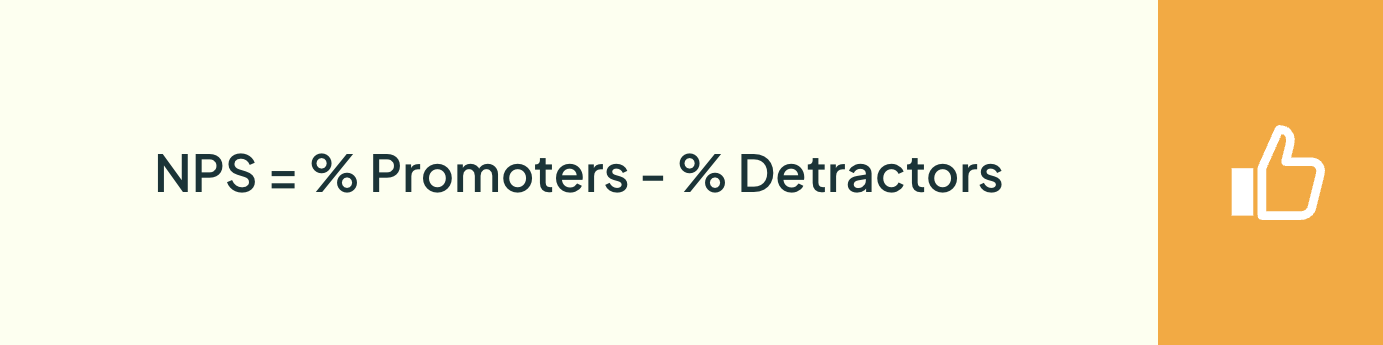
- Promoters (9-10): Loyal customers who actively promote your brand.
- Passives (7-8): Neutral customers who are satisfied but not enthusiastic.
- Detractors (0-6): Unhappy customers who may discourage others.
A positive NPS means more promoters than detractors, indicating strong customer satisfaction.
3. Customer Effort Score (CES)
This measures how easy it is for customers to interact with your business, whether it’s resolving an issue, making a purchase, or getting support.
Example question:
“How easy was it to resolve your issue today?” (Scale of 1-7, where 1 is very difficult and 7 is very easy)
On the 1 to 7 scale above, a higher CES score means customers found the interaction easier, which points to higher satisfaction. Customers prefer hassle-free experiences.
4. Online Reviews and Social Media Sentiment
Monitoring customer feedback on Google, Trustpilot, social media platforms, and forums provides real-time insights into how satisfied customers are.
Sentiment analysis tools can categorize feedback as positive, neutral, or negative.
5. Customer Retention and Churn Rate
A high retention rate signals satisfied customers, while a high churn rate indicates dissatisfaction.
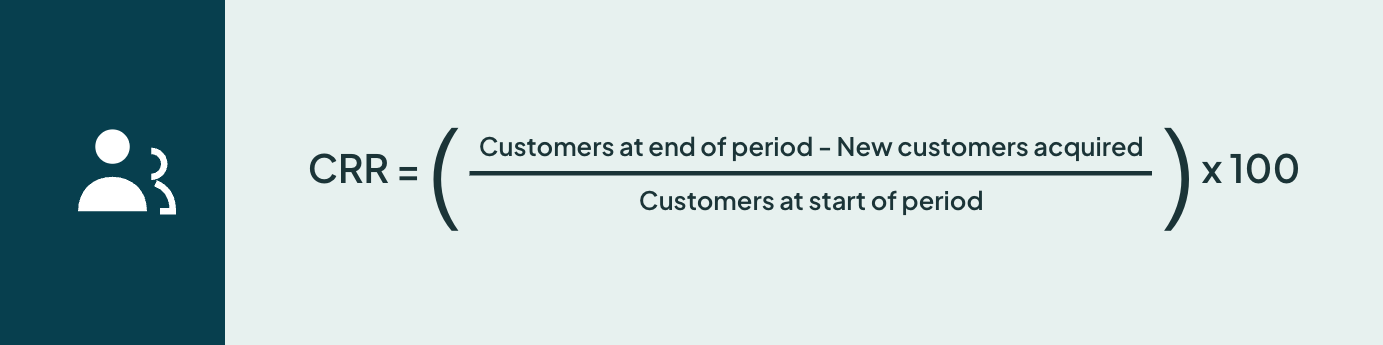
A lower churn rate and higher retention suggest strong customer satisfaction.
6. Repeat Purchase Rate (RPR)
This metric tracks how often customers return to buy again. A high repeat purchase rate suggests they are satisfied with their experience.

7. Customer Complaints and Support Interactions
The number of complaints, support tickets, or escalation requests indicates pain points. A declining trend suggests improved satisfaction, while a rising trend signals areas needing attention.
8. Surveys and Customer Interviews
Direct feedback through surveys, focus groups, or one-on-one interviews provides deep insights into customer emotions and expectations.
9. Time to Resolution (TTR)
For customer service teams, tracking how long it takes to resolve an issue affects satisfaction.

Faster resolutions typically lead to higher satisfaction, and a customer service resolution process with clear stages helps teams get there.
10. Customer Lifetime Value (CLV)
Satisfied customers spend more and stay longer with a brand. CLV calculates the total revenue a customer is expected to generate over their relationship with the business.
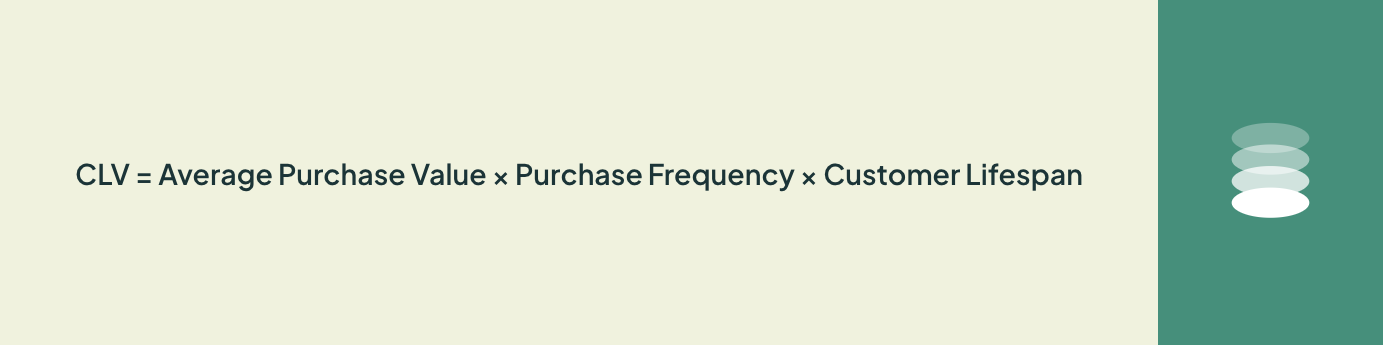
A growing CLV indicates higher customer satisfaction and long-term loyalty.
Boost Your Customer Satisfaction with Knowmax
Customer satisfaction depends on making every interaction effortless and frustration-free, as well as on solving problems.
When customers struggle to find answers or get inconsistent information, trust erodes. Knowmax changes the game by ensuring instant, accurate, and consistent knowledge across all touchpoints.
With AI-powered search, agents get real-time answers, reducing wait times and boosting resolution rates.
Customers prefer self-service, and Knowmax’s interactive guides make troubleshooting simpler. Instead of guessing or being transferred repeatedly, they get clear, step-by-step solutions.
Frequently asked questions about factors affecting customer satisfaction
The main factors are whether the product meets expectations, timely delivery or response, a fair price for the value, helpful support, clear communication and ease of use. Personalization, reputation, consistency and fast, genuine problem resolution also shape how satisfied customers are.
They are basic needs, expected satisfaction, desired satisfaction, delighted satisfaction and customer advocacy. Each level goes further than the last: from meeting the bare minimum to delivering something unexpected, and finally to customers who actively promote your brand.
Common methods are the Customer Satisfaction Score (CSAT), Net Promoter Score (NPS) and Customer Effort Score (CES). Teams also track online reviews, retention and churn, repeat purchase rate, complaints, surveys and interviews, time to resolution and customer lifetime value.
Satisfied customers stay longer, buy again and recommend the brand. Bain and Company’s estimate, quoted by Zippia, is that raising retention by 5% can increase profits by 25% to 95%, so keeping customers happy has a direct financial effect.
It depends on the business, but the product or service meeting expectations comes first, because no service can fully make up for one that does not work. For service teams, the factors that move most often are time to first response and whether the issue is resolved on the first contact. Check your own data to see which dominates.
External factors are the ones customers see, such as the product, price, delivery and reputation. Internal factors are how the organization works behind them, such as training, staffing, knowledge accuracy and the processes that decide whether promises are kept.
The Kano model sorts features into must-haves, performance factors and delighters. Must-haves cause dissatisfaction when missing, performance factors raise satisfaction as they improve, and delighters create disproportionate delight because customers did not expect them.
Measure transactional satisfaction, such as CSAT and effort after a contact, continuously, and review it weekly or monthly. Measure relationship measures such as NPS less often, for example quarterly, so the results show trends rather than noise.


 Word Document)
 Excel File)


